
Unvented Gas Heaters in North Carolina Homes: What You Should Know
A Western North Carolina Reality Check
With frigid temperatures and widespread winter weather, residents of Western North Carolina have been scrambling for solutions in heating their homes. Winters in our mountainous region can be unpredictable. One week it’s mild and sunny, and the next you’re dealing with freezing nights, icy mornings, and that damp mountain cold that seems to sink right into the house. Many homes in our area weren’t built with modern, high-capacity heating systems, and bonus rooms, basements, and older additions often feel especially chilly.
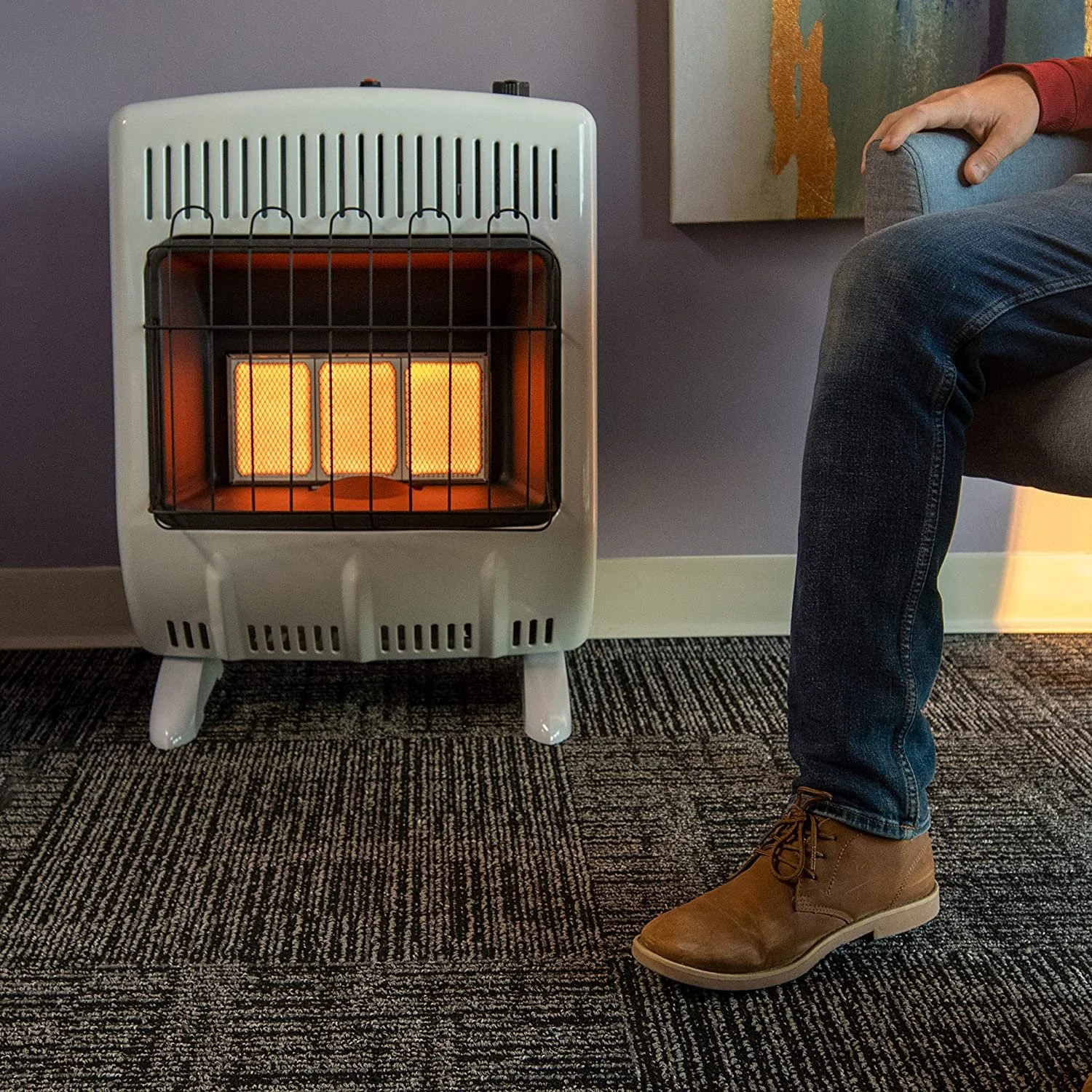
Because of that, homeowners frequently look for simple ways to add a little extra warmth without the expense of upgrading an entire HVAC system. Unvented (vent-free) gas space heaters are a common option. They’re affordable, efficient, and don’t require a chimney or exterior vent, but they’re also one of the most misunderstood heating choices available.
Are They Legal in North Carolina?
In most single-family homes, unvented gas heaters are not illegal in North Carolina. State building and fuel gas codes generally allow listed vent-free heaters when they are properly installed and used according to manufacturer instructions.
However, “legal” does not mean unrestricted. Local building departments can have additional requirements, and these heaters are prohibited in certain regulated settings such as child-care facilities, adult care homes, and some institutional occupancies. Those restrictions don’t apply to typical private residences, but they reflect the caution surrounding these appliances.
How They Work
Unvented heaters burn natural gas or propane directly inside the living space. Unlike a furnace or vented fireplace, they do not exhaust outdoors. All of the heat and all of the combustion byproducts stay inside the home. That makes them very energy efficient, but it also creates potential downsides. Vent-free heaters are popular because they have a low upfront cost and can often be installed without major construction. They provide quick, powerful heat and can operate during power outages. For bonus rooms, garages, basements, or additions without existing ductwork, they can seem like an easy solution—especially in older mountain homes where extending central heat can be expensive or impractical.
The Drawbacks to Consider
Because these heaters don’t vent outside, they release moisture and combustion gases into the home. Over time, this can contribute to indoor air-quality concerns and excess humidity. In Western North Carolina, where many homes already deal with damp conditions, added moisture can lead to condensation on windows, musty odors, and even mold problems.
Modern units include safety features like oxygen depletion sensors and automatic shutoffs, but they still require responsible use. They are best viewed as supplemental heat sources rather than primary heating systems.
Practical Advice
If you choose to use an unvented gas heater, it’s important to do so wisely. They work best in well-ventilated rooms and should be properly sized for the space. Carbon monoxide detectors should always be installed in the home, and any signs of excess moisture or air-quality issues should be addressed quickly. Professional installation and regular maintenance are strongly recommended. From an inspection standpoint, an unvented heater isn’t automatically a problem. I focus on whether it’s installed correctly, appropriately sized, and being used in a suitable location. In some situations they make sense, but they’re rarely the best long-term heating strategy for an entire home.
Bottom Line
Unvented gas heaters are generally legal in North Carolina homes and can be useful for occasional supplemental heat. They can also introduce moisture and air-quality concerns if used improperly or relied on too heavily. Understanding both the benefits and the limitations is key to making a smart decision especially in our cool, often damp Western North Carolina climate.
If you have questions about whether an unvented heater is a good fit for your house, it’s worth consulting a qualified HVAC professional or your local building department.